Traceable findings
Defects and NCRs stay linked to drawings, photos, and daily context.
We use essential cookies to run the site and optional cookies to improve your experience and measure usage. You can change your choice anytime in Cookie Preferences.
CONSTRUCTION OPERATIONS INTELLIGENCE · QUALITY MANAGEMENT
Run quality inspections against the field record, review advisory defect-pattern signals, and track NCRs and punch items to a resolution that quality managers approve.
Tracked defects and NCRs with resolution that quality managers approve — never closed automatically.
Product overview
Quality sits alongside Safety in the inspection layer of Construction Operations Intelligence. Inspections, defect flags, and NCRs reference the same daily execution record, and resolution stays a documented, human-approved step.
Built for Quality managers, superintendents, and project engineers.
Product proof
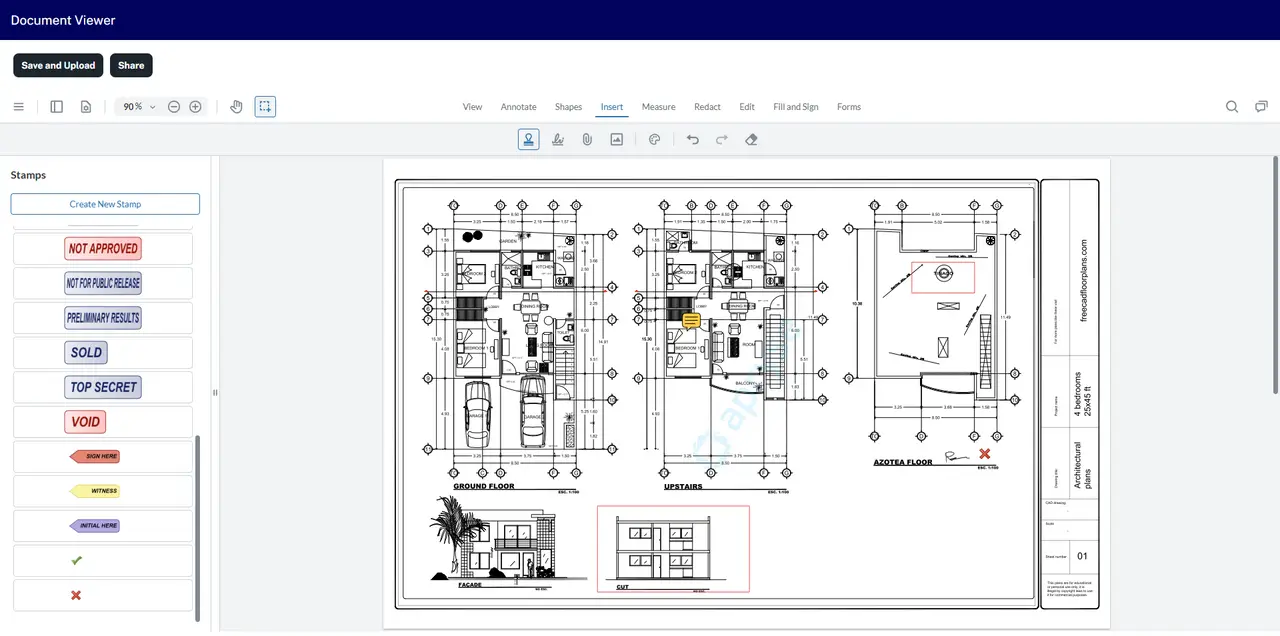
Quality reviews stay grounded in the same document evidence used during construction.
End-to-end workflow
One continuous family — current stage highlighted, full path visible.
Lifecycle position
Who uses this module
Review advisory defect-pattern signals and approve NCR and punch item resolution.
ExploreFlag conditions during execution and track them against the field record.
ExploreKeep inspection findings linked to drawings and specifications during resolution.
ExploreAI ASSISTANCE — ADVISORY
AI assistance is advisory. Defect and NCR resolution is never automatic — quality managers review evidence and approve closure.
Inputs
Outputs
Connected modules
Field Management → Daily Reports → Safety → Quality → Photos & Media → Equipment & Assets → Job Costing → Executive Experience
Business outcomes
Defects and NCRs stay linked to drawings, photos, and daily context.
Advisory signals surface repeated defect types before they compound.
Punch items and NCRs close only after quality manager review.
Construction examples
Repeated defect locations surface for the quality manager to review before the next inspection round.
A drawn-out inspection finding becomes a draft NCR the quality manager completes and tracks.
Open punch items are prioritized against the schedule; each closes only with reviewer approval.
Evidence & governance
Consequential actions stay with accountable people and role-based controls.
Canonical RFI and Daily Field records remain on the work they support. Ezelogs does not introduce a second write authority.
Keyboard-operable surfaces, clear focus, and readable contrast across the public website.
Public pages stay available while investor-private materials remain access-controlled.
FAQ
No. AI may flag patterns or draft structure. Quality managers review evidence and approve every resolution.
Both reference the same daily execution record and inspection discipline, so evidence is not duplicated between teams.
Rework and resolution activity can be visible for job costing review, supporting cost accountability without automatic budget changes.
Related products & resources
Walk Field Management → Daily Reports → Safety → Quality → Equipment as one governed suite.